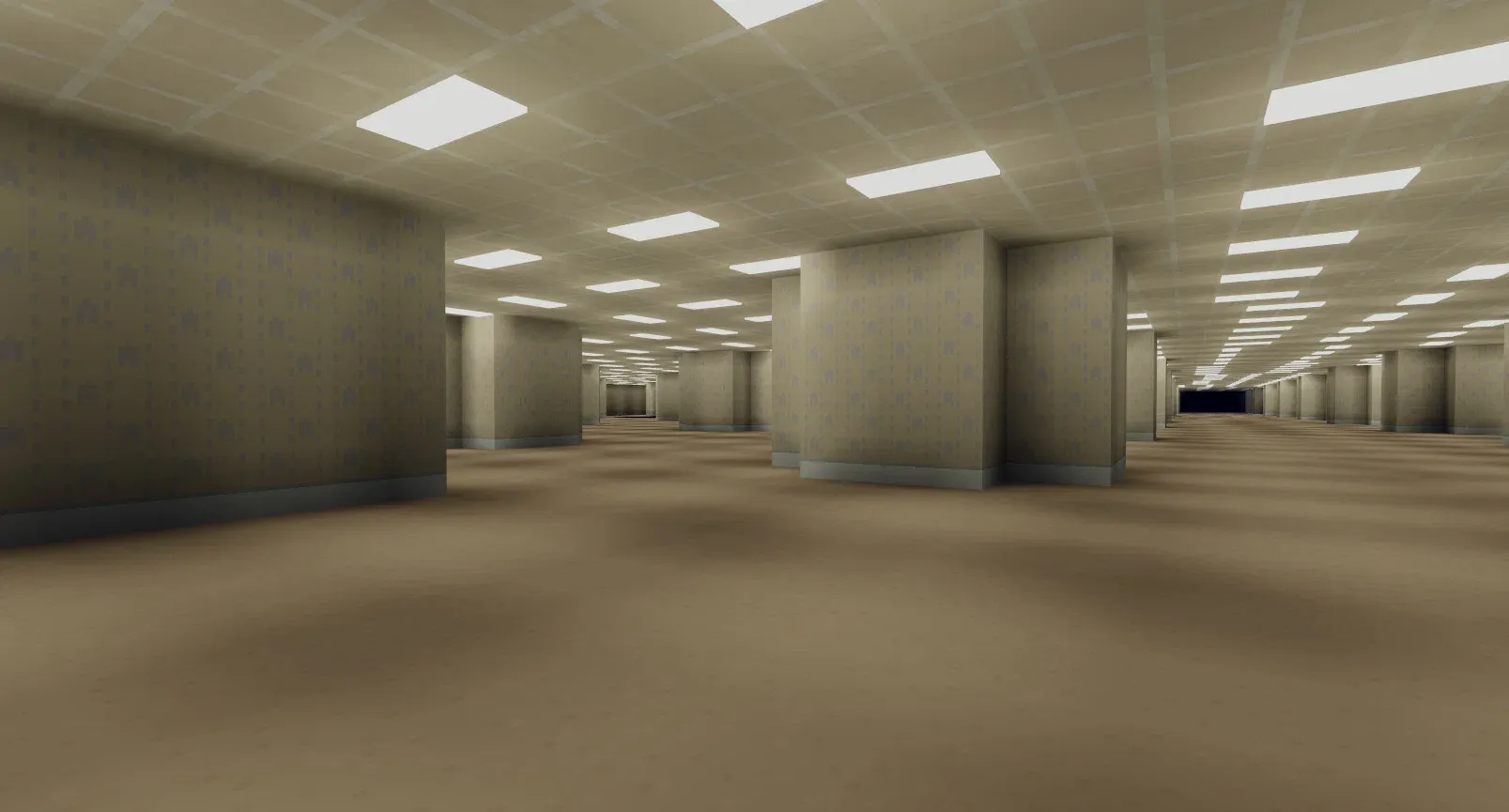
Your New Favorite Version of Minecraft
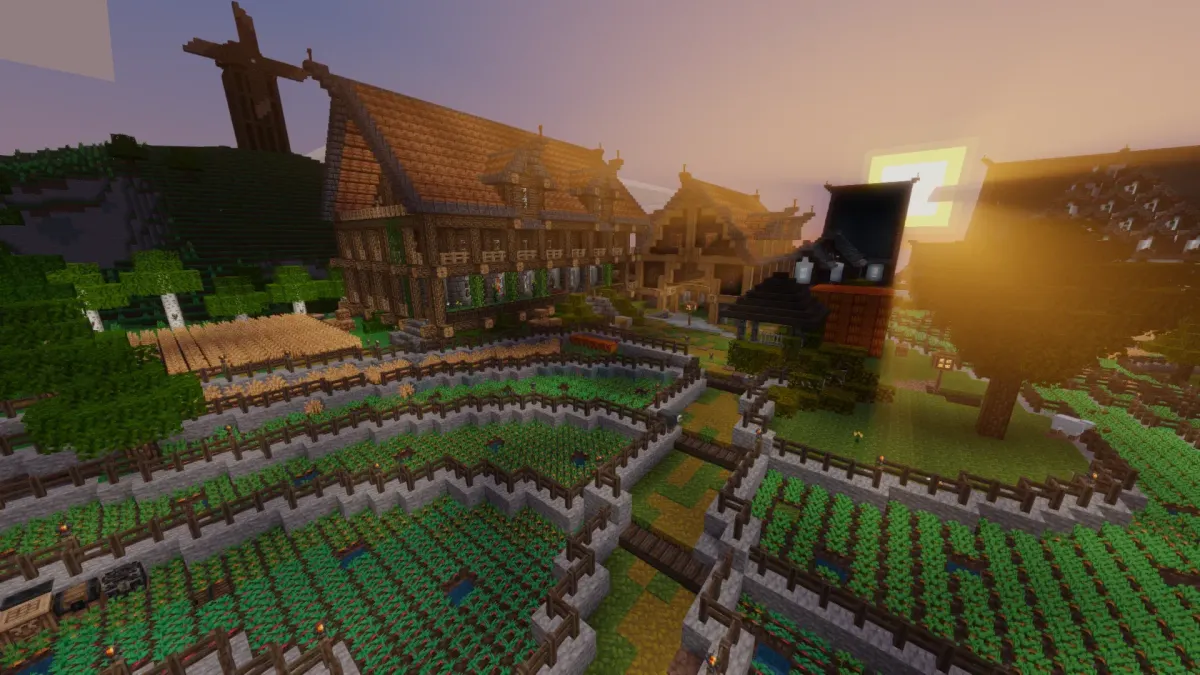
This week, Minecraft has a stride in its step. There's Minecraft Dungeons 2, a new realm in the main game (the Sift), a new frozen biome, and a bit more. While that's all good and dandy, some of us are avoiding Minecraft for one reason or another.
-Maybe you have Minecraft and you are content. That's great, you have your home.
-Maybe you don't want to cough up the money to play or your wallet is a little too tight.
-Maybe you don't want to support Microsoft, as Minecraft is one of the most valuable parts of Xbox, so much so that they now report directly to the Xbox CEO.
-Maybe you aren't a fan of all the microtransactions that have been added, and how they're pushing away people from traditional modding to more and more paid content that they can get a cut of (I'm all for supporting the developers, but maybe you want your money to stay away from the corporation.) Like why does something as old and basic as Sky Islands cost $5 when for most of Minecraft's history things like this have been free as mods?
-Maybe you aren't a fan of how Minecraft is effectively one of the most successful metaverse style games out there with all sorts of skin packs you can buy that you could have always made for free and IP tie-ins.
-Maybe you are like me, who has bought minecraft xbox 360 edition, then bought it on xbox one, then bought java, then got bedrock, then lost their java account and rebought it, and then got hacked, lost it all, and during the account recovery process, Microsoft disconnected their help agents to replace it all with AI FAQs that can't help, and you (I) sit here with a chip on my shoulder.
Whatever the reason, there's another world out there. One that is completely free and open source, made with a build in mod browser so there is no tinkering, everything just works, you can still host servers, and you never ever have to worry about lack of ownership, bad corporate practices, or any other conflicts, because what you install is yours and again, it's all open source.
If that sounds nice and you still want a game that is almost exactly Minecraft and keeps relatively up to date, then I would like to introduce you to Luanti (formerly Minetest).
How accurate is it? Almost perfectly. There are biomes so recent, I didn't even realize they had been added to the main game like the Pale Garden released in September 2024 (though to be fair, I don't typically stay that on top of Minecraft news). A few things may seem different, like villagers don't path over snowy blocks as well and not all grass drops seeds with the same frequency, but all in all it really is 99% of the way there. While the textures are slightly different, you can download a more traditional texture pack in the game itself to make you feel right at home.
"How is this all possible?" you may be asking. The answer is that Luanti is a game engine. It gives the underlying structure in a bunch of modules for map generation, assets for all the objects, code for interaction and other systems, and just about everything the real deal has. It's just unassembled and legally distinct. This is how they are legally able to. Now, if the game had say a built in mod browser, and you happened to click a mod that assembles all of those parts into a fully functioning clone of Minecraft, well, Luanti aren't technically responsible for that. There are also layers of defense for Luanti as well, such as the fact that most game mechanics are not patentable or simply never are patented so many games share them so they can be used in similar games. Another part of it is that the genre is shared by many other games and developers. Some of you may remember much closer to when Minecraft came out, there was a flurry of "I made Minecraft in a week" or "I made Minecraft in 24 hours" videos. Minecraft is complex in its amount of content, but each system doesn't take all that much. Some polish here and there is really what sets it apart. This basic structure is also why so many other games can build off its ideas so meaningfully like Everwind and Hytale.
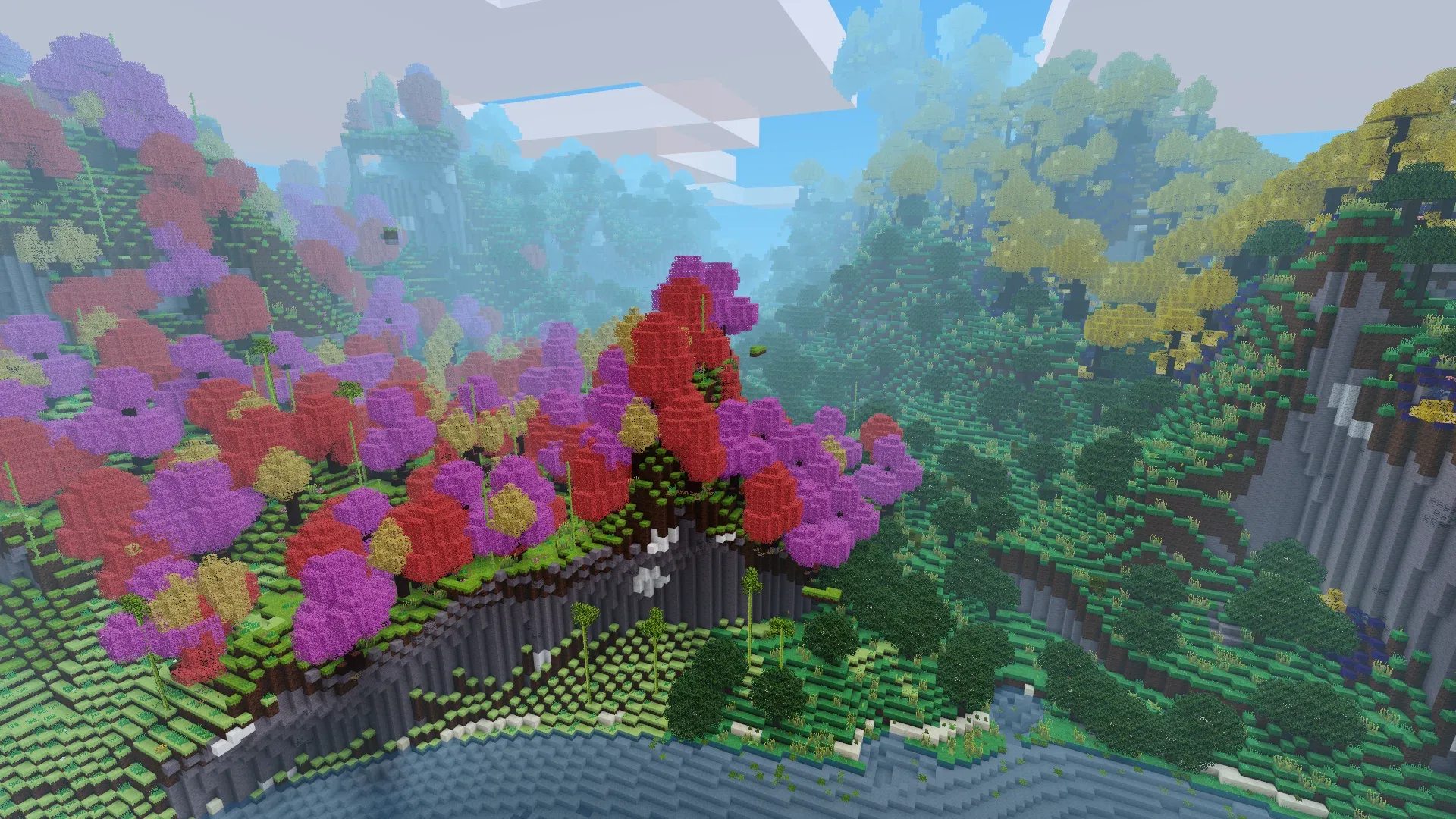
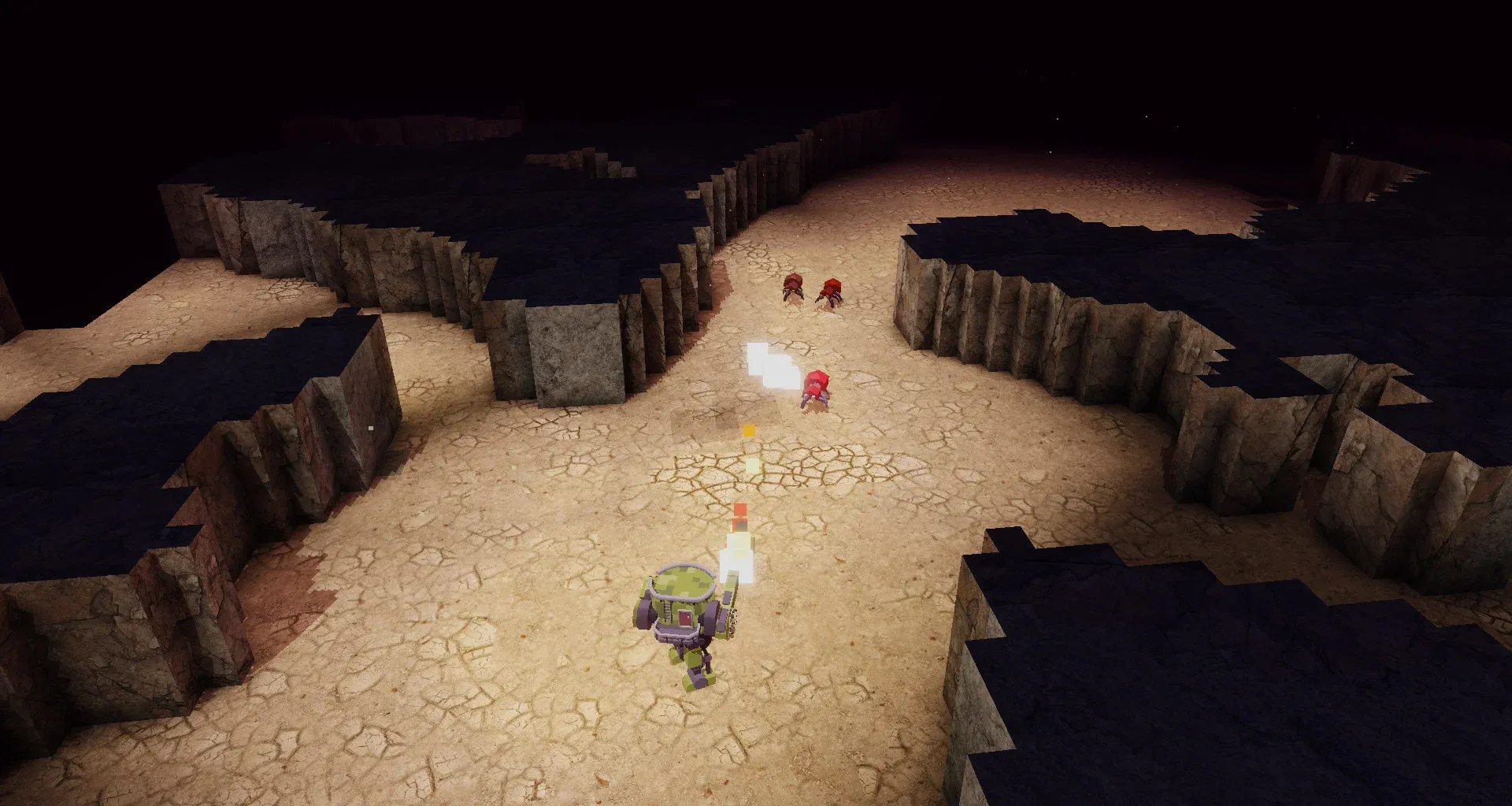
Outside of being open source, free, and all the parts of Minecraft that you know and love, one of the things that makes the game special is of course the mods. You can install any of the games that tie the systems together for just a couple megabytes and you're good to go. Some remake the game in exciting new ways like Glitch which is a platformer or Extra Ordinance which is most similar to a game like Deep Rock Galactic: Survivor while others are effectively a peaceful mode that adds fun elements like vastly increasing the spawn rate of flowers, making your standard crafting menu 3x3 without a crafting table, making animals more approachable, and adding shooting stars you can collect and use in Asuna. Most people tend to play for the game that is made to be as 1:1 as possible with Minecraft which is Mineclonia, though other versions like VoxeLibre try to emulate Minecraft while adding fun new features of their own. You get the point by now, I'm sure.
With most of those basics out of the way, the last main thing about this game I feel the need to mention is that like any open source piece of software, you, yes you, can add to it and modify it. You can help bring new content to the game like The Sift faster and help other people experience that joy without the barriers sooner. You can make your own mods and game modes if you want. You can help add code for the underlying engine so it runs even faster or update it with new features to help other devs on their journey in the game. Just get in touch with the team and lend a hand!
The open source community never ceases to amaze, and for anyone who is excited and loves Minecraft like I do, but is looking for something without so many conflicts of interest and building something around a product by the people and for the people, I hope that Luanti can help be that new page full of exciting new things.